Flood Water Damage Restoration vs. Cleanup in Laurel, MS: What's the Difference and Why It Matters
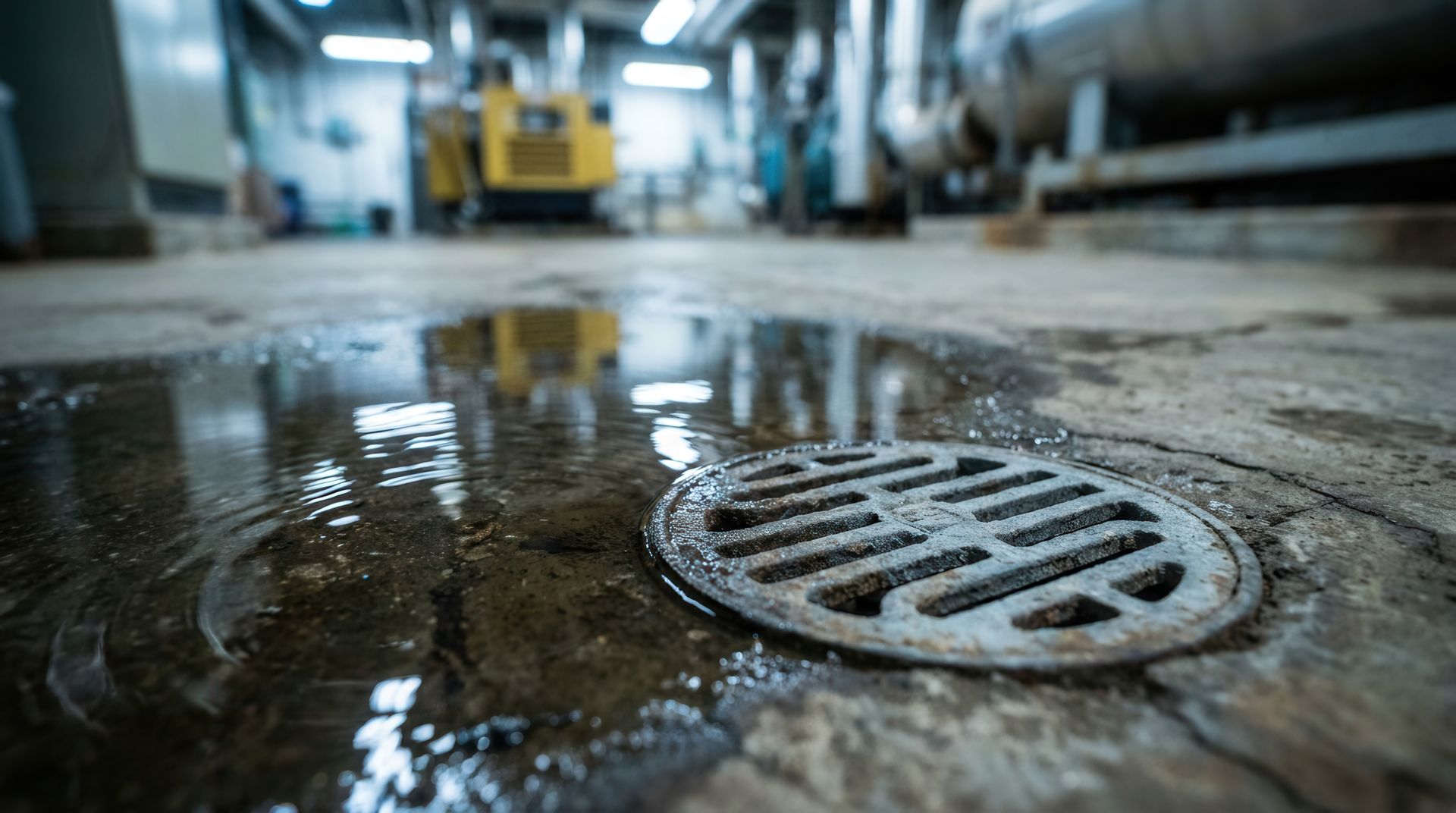
When a flood hits your home in Laurel, MS, two terms get used a lot: cleanup and restoration. Understanding the difference between flood water damage restoration and basic cleanup helps you make smarter decisions and protect your property long-term.
These two terms are not interchangeable. One addresses the immediate crisis, while the other addresses everything that comes after. Getting both right matters, especially in Jones County, where the climate makes water damage particularly risky.
What Is Flood Damage Cleanup?
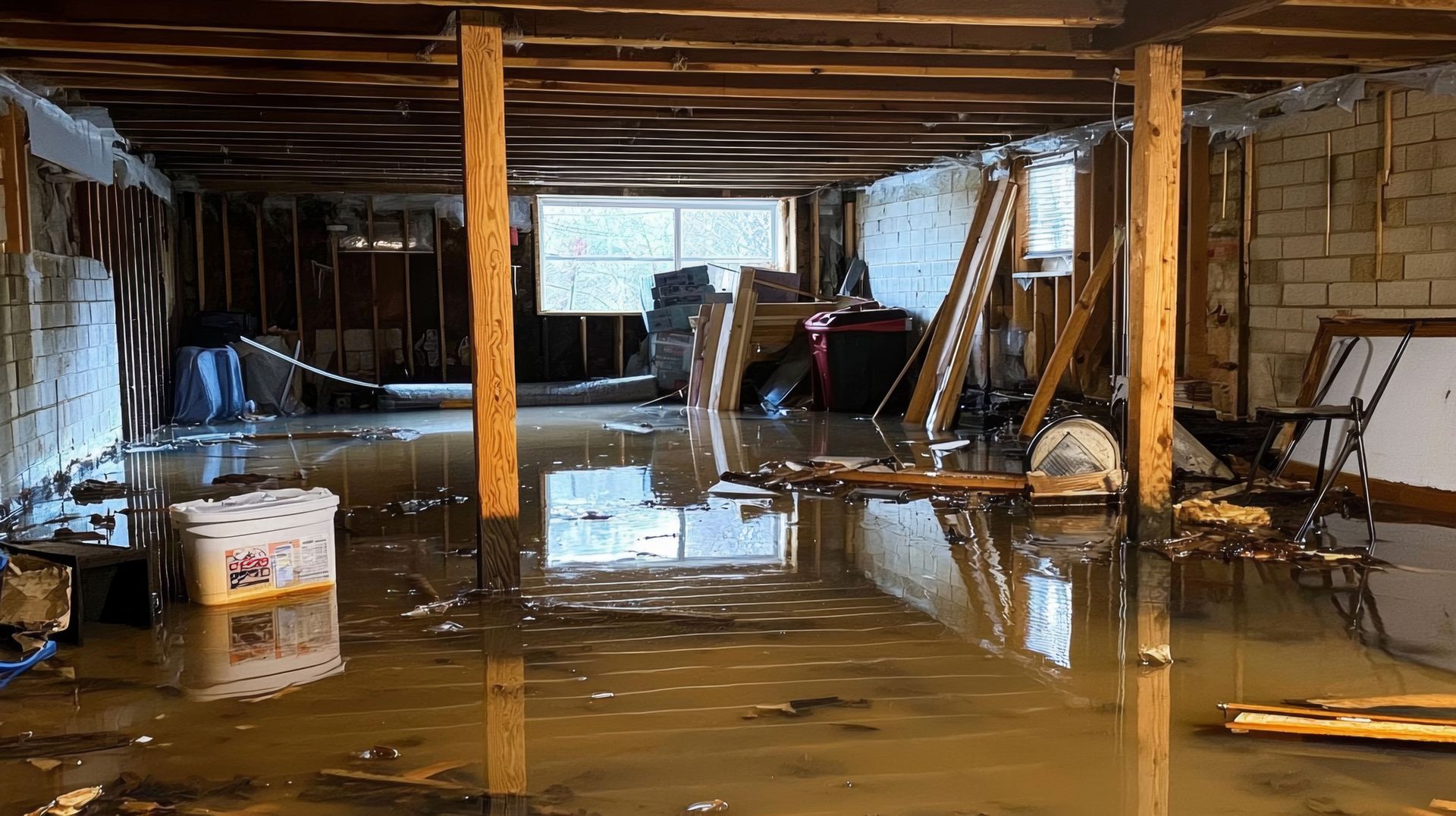
Flood damage cleanup is the first phase of responding to water intrusion. It focuses on removing the water and debris that the flood left behind as quickly as possible.
Cleanup typically includes:
▸Pumping out or extracting standing water from affected rooms and crawl spaces.
▸Removing soaked materials such as rugs, furniture, and saturated insulation.
▸Clearing out mud, silt, and any contaminants that entered with the floodwater.
▸Setting up industrial air movers and dehumidifiers to begin the drying process.
Cleanup stops the immediate bleeding. It brings a flooded space back to a dry, safe baseline. However, cleanup alone does not repair what the water has already damaged.
What Does Flood Restoration Involve?
Flood water damage restoration goes further. It picks up where cleanup ends and addresses the structural and material damage that water left in its wake.
Restoration can include:
▸Assessing damage to drywall, subflooring, framing, and insulation.
▸Replacing or repairing structural components that cannot be salvaged.
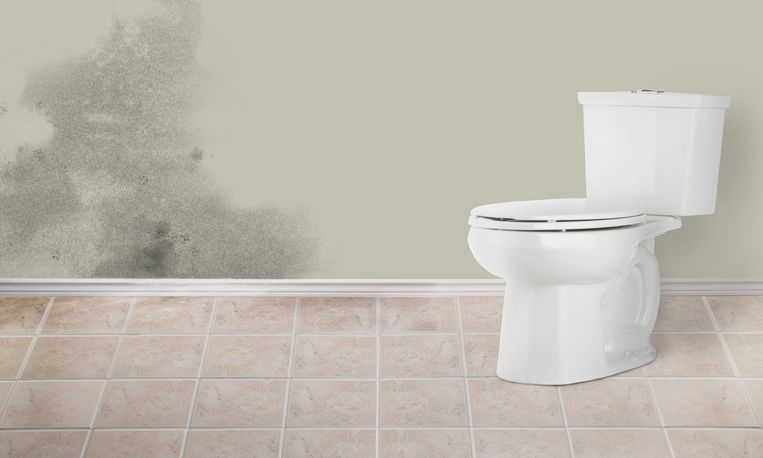
▸Treating affected surfaces to prevent mold growth before it starts.
▸Sanitizing and deodorizing rooms that were exposed to contaminated floodwater.
▸Rebuilding finishes such as flooring, walls, and ceilings to pre-loss condition.
For homeowners seeking flood water damage restoration in Laurel, MS, this phase is what truly returns a home to a livable, safe condition.
How Are Cleanup and Restoration Different?
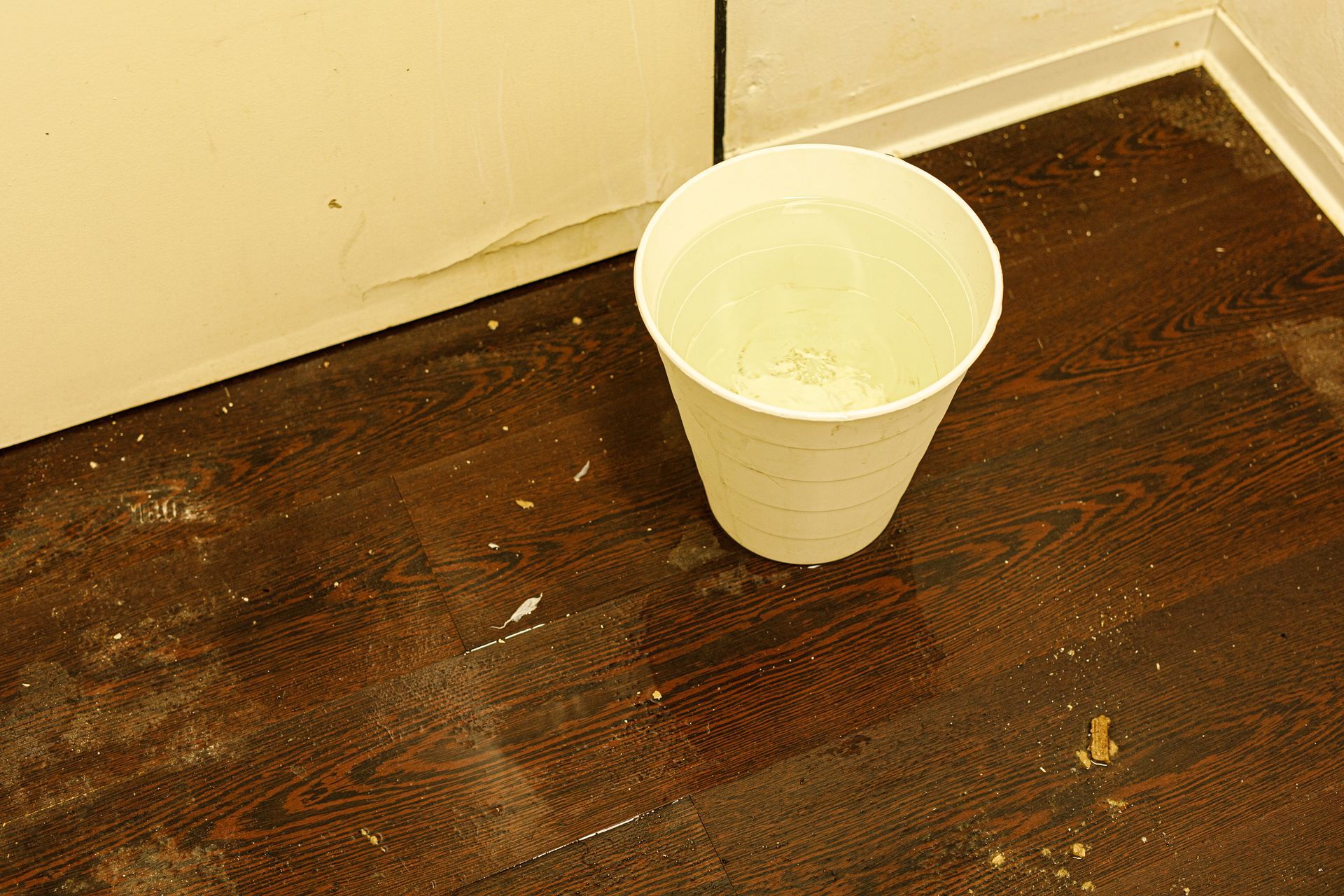
The simplest way to think about it: cleanup removes what does not belong, and restoration rebuilds what was lost. A home that has only been cleaned but not restored may look dry on the surface. Underneath, it can hide moisture in wall cavities, buckled subflooring, or compromised framing. That hidden moisture becomes a serious problem fast.
Can a Home Need Both Services?
Yes, and most flood-damaged homes in Laurel, MS, will need both. Cleanup must happen first to stop ongoing damage. Restoration then follows to bring the property back to a safe, functional state. Skipping either phase can lead to lasting structural problems and health risks from mold.
Why Timing Matters in Laurel, MS
Speed is critical when it comes to flood recovery in Jones County. Laurel has a humid subtropical climate. The area receives roughly 58 inches of rain annually, with summer humidity that can feel oppressive from June through September. That persistent moisture in the air makes conditions ideal for mold to take hold quickly after a flood event.
Mold can begin growing within 24 to 48 hours of water exposure. In Laurel's climate, dew points climb into the 70s during summer months. Wet building materials dry much more slowly without professional equipment. Drywall, wood framing, and carpet padding can stay damp long after visible water is gone. That hidden moisture fuels mold growth that may not become visible for days or weeks.
Tallahala Creek has historically been a significant flooding source in the Laurel area. Jones County properties near it, or in low-lying neighborhoods, face particular risk after heavy frontal storms. Acting quickly after any flooding event may reduce how much flood water damage restoration work is ultimately needed.
What Happens If Restoration Is Delayed?
Delaying restoration after cleanup can allow mold to colonize building materials, weaken structural elements, and create indoor air quality problems. What might have been a manageable repair can become a much larger project if left too long. Insurance documentation can also become more complicated when damage is not addressed promptly.
Does Flood Damage Affect Indoor Air Quality?
Yes, it can. Floodwater often carries contaminants, bacteria, and organic material that soak into porous surfaces. Once those surfaces begin to dry without proper sanitation, mold spores and bacterial growth may affect the air inside the home. Professional restoration includes sanitizing and treating affected areas to help restore healthy air quality.
What Should I Do Immediately After a Flood?
After ensuring the building is safe to enter, document all visible damage with photos. Avoid using fans or HVAC systems before a professional assesses the space, as these can spread contaminants. Contact a certified restoration team as soon as possible to begin extraction and drying.
Will My Insurance Cover This Type of Restoration?
Flood coverage policies vary. Standard homeowners insurance often does not cover rising water from outside the home. Separate flood insurance through the National Flood Insurance Program may cover both cleanup and structural restoration. Always review your policy and contact your insurer promptly after a flood event.
Get the Help You Need Serving Laurel, MS
Recovery after a flood does not have to feel overwhelming. Advanced Mold Professionals serves Laurel, MS, and surrounding Jones County communities with certified flood water damage restoration services. From initial water extraction through full structural assessment and mold prevention, the team can guide you through every phase of recovery.
Call today at 601-260-0675 to speak with a certified specialist, or contact us online to request an assessment. Financing options may also be available to help manage the cost of restoration when you need it most.
Learn more about the team and read reviews from Mississippi neighbors at Advanced Mold Professionals.